
SPORKS DP


SAME LUNCH.
LESS WASTE.
Student-led reusable SPORK program at Dos Pueblos.
Real Students. Real Change.
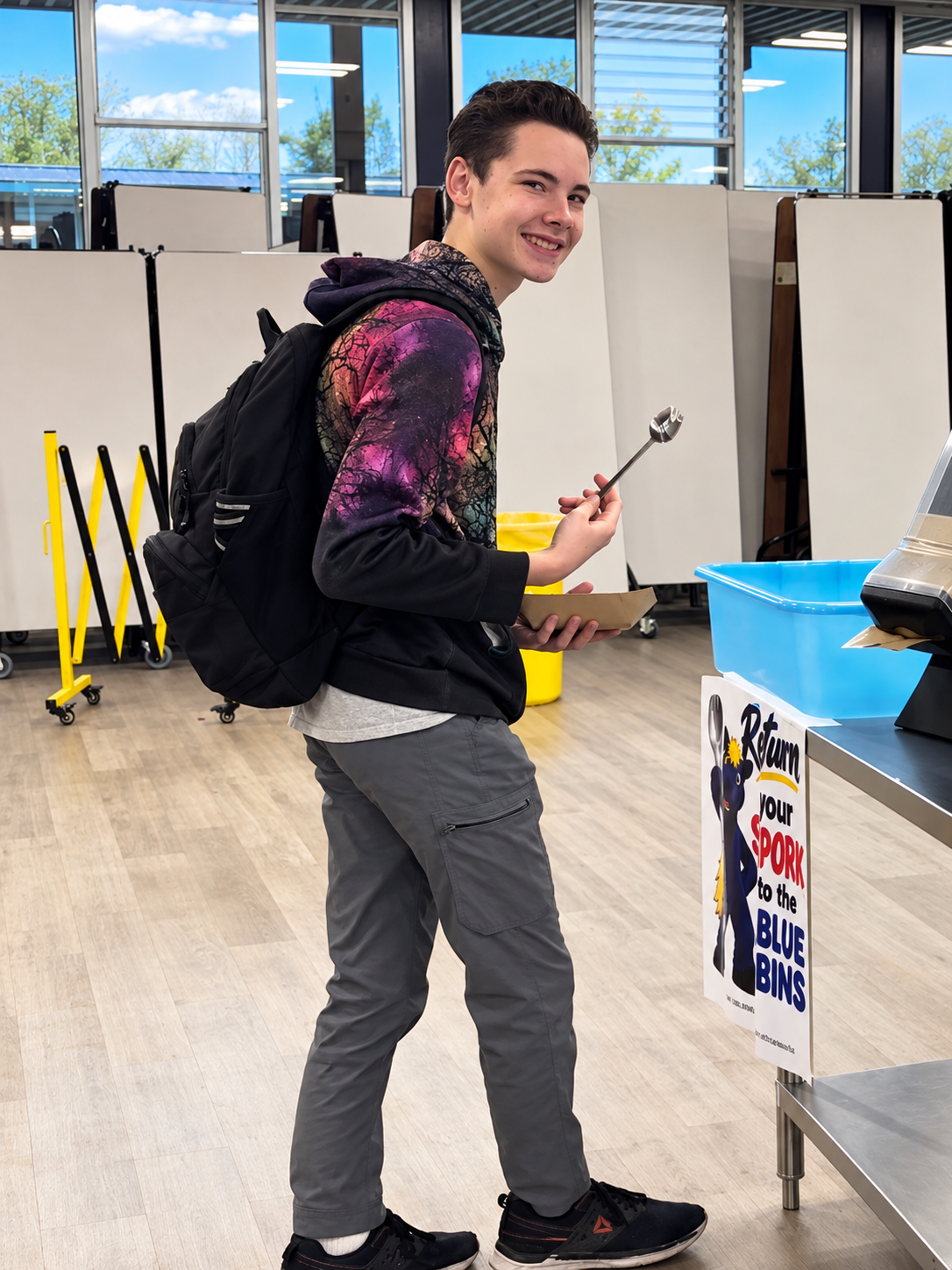
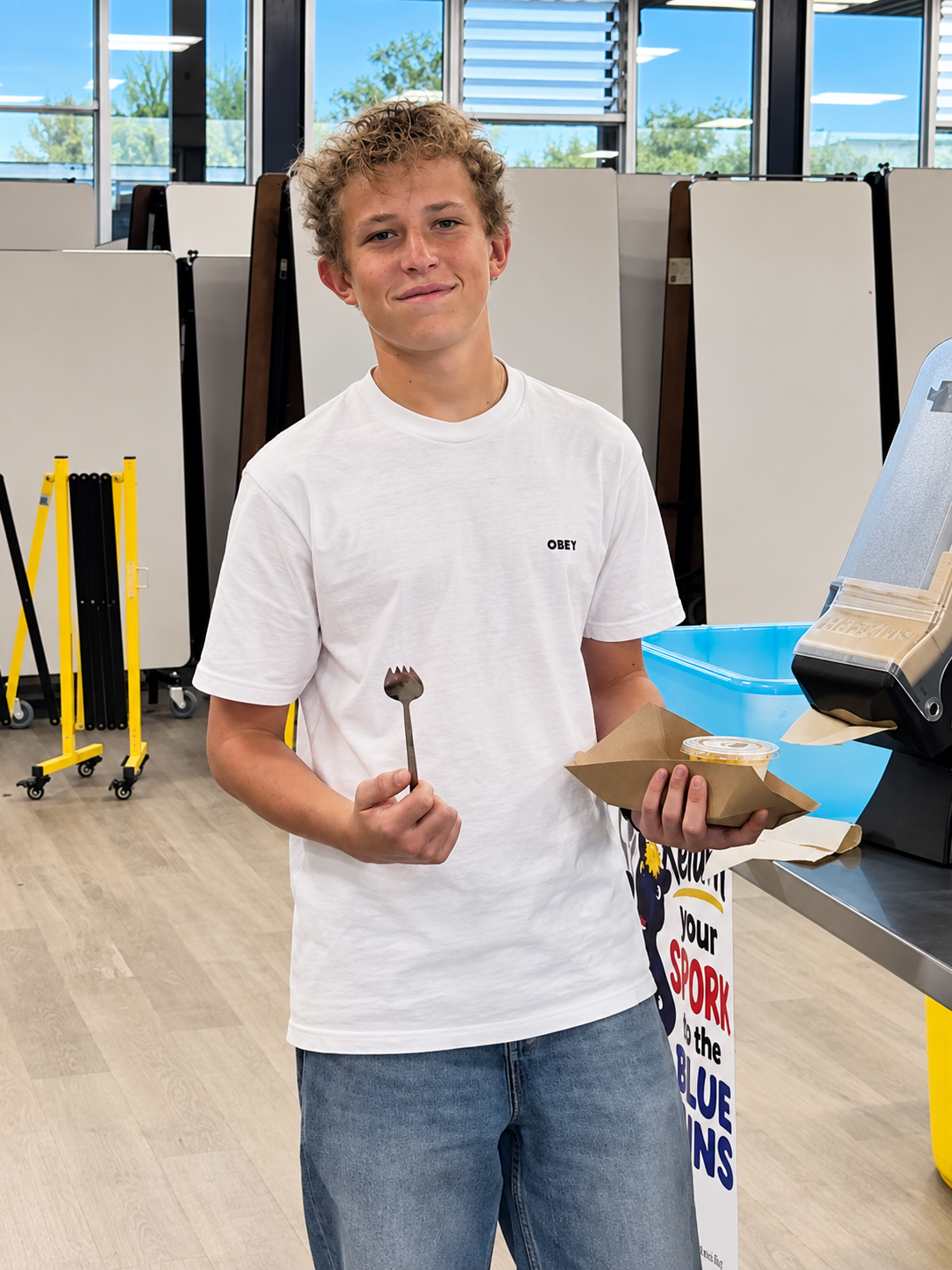
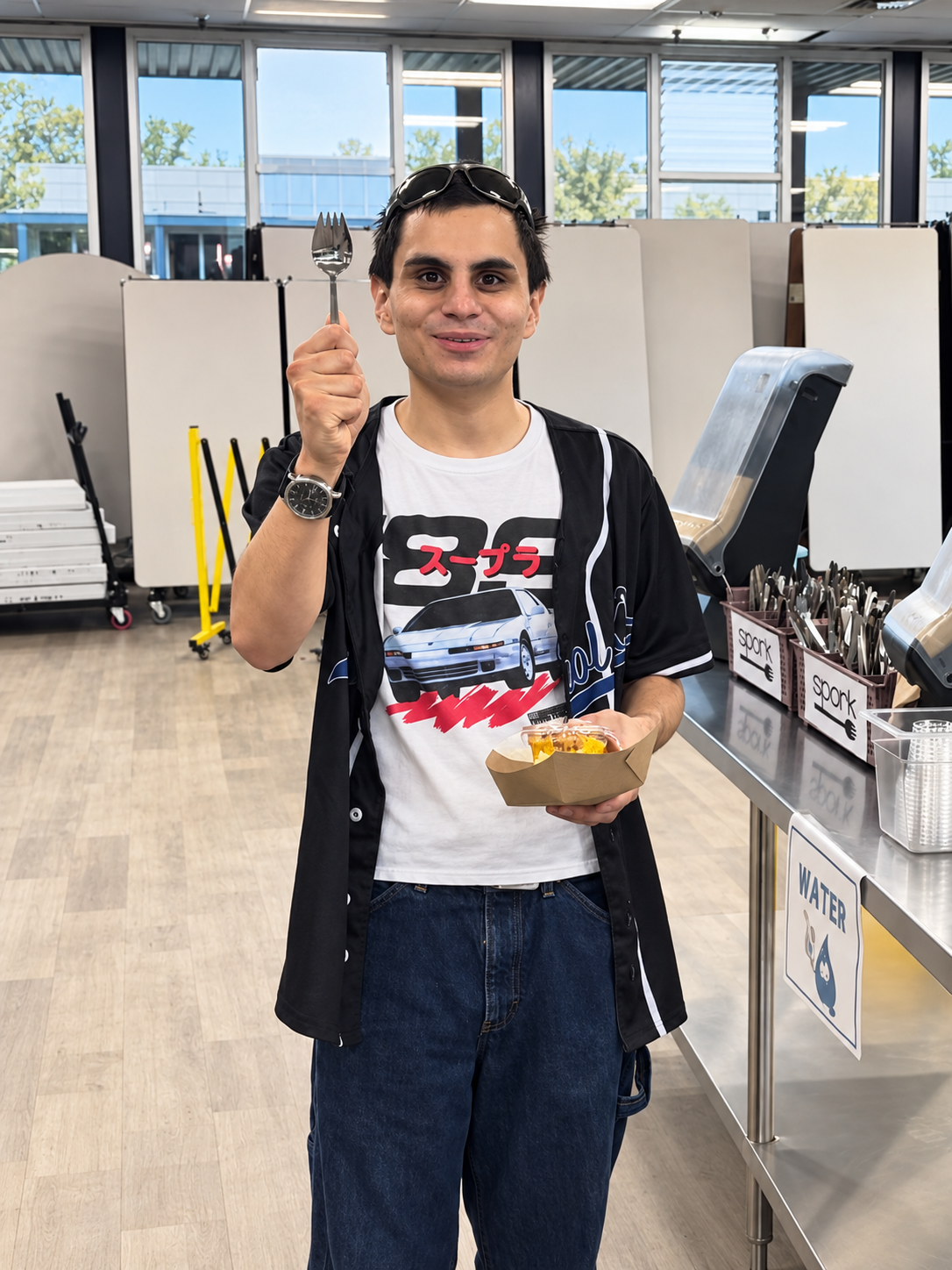
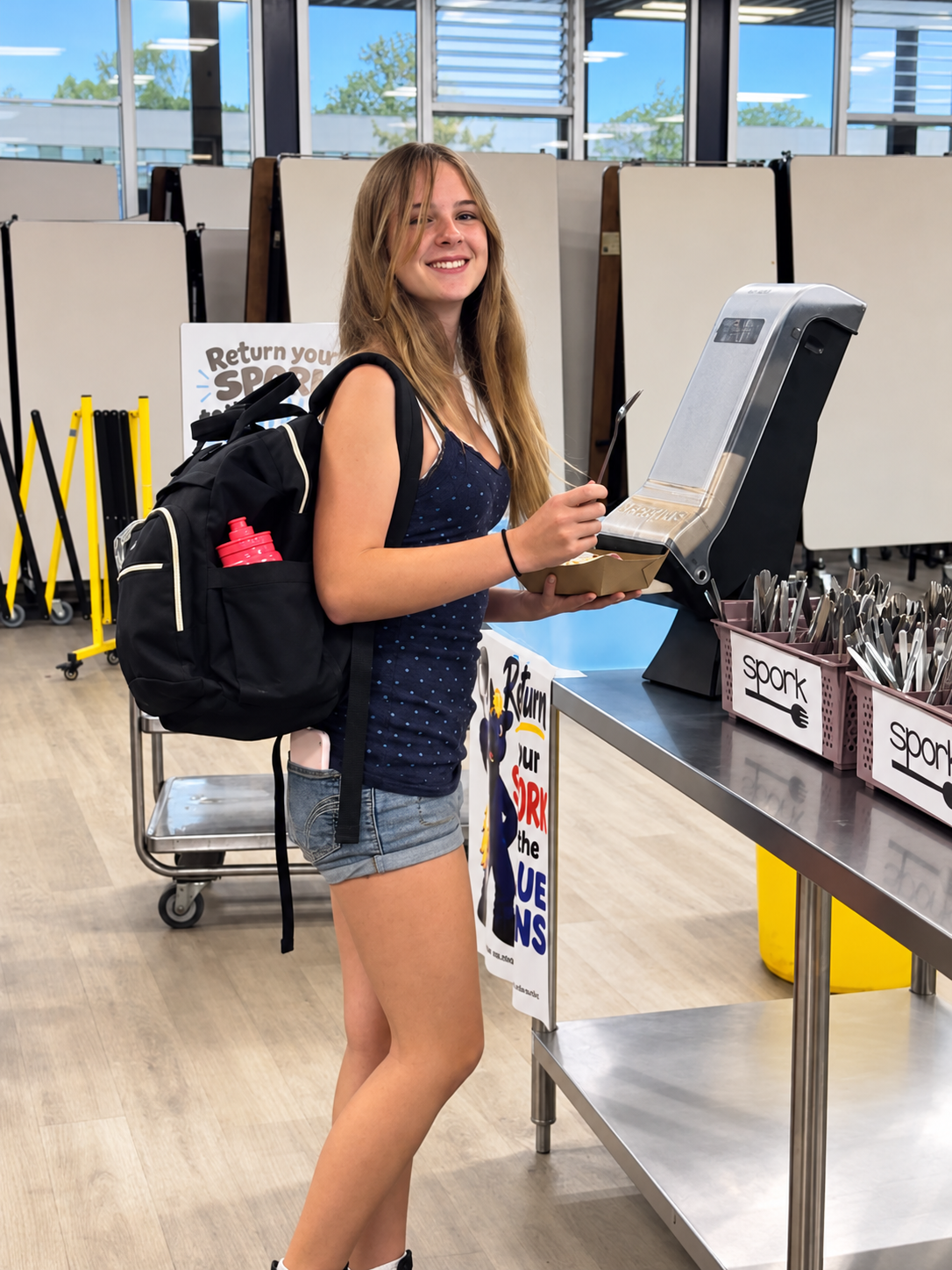
Congratulations to this week's volunteer winners Noah Loffer & Koh Russel McDonald's and Blenders Gift Card Winners
100,000

single-use utensils
used each year at DP

1200
reusable stainless-steel sporks
put into circulation

2200
students
at Dos Pueblos

2200
pounds of plastic avoided
over 4 years
WHY SPORKS?
Every year, Dos Pueblos High School uses about 100,000 single-use plastic utensils. SPORK is a student-led program that replaces those with durable, reusable stainless steel sporks. Together we can reduce waste, conserve resources, and create a cleaner, healthier campus for everyone.


OUR PARTNERS


HOW IT WORKS
USE

Grab a SPORK at breakfast or lunch

ENJOY

Use it for your meal like always
RETURN

Drop it in a blue bin
WASHED

SPORKS are washed and sanitized
REPEAT

Grab a SPORK and enjoy your meal
What you do makes a difference, and you have to decide what kind of difference you want to make.
-- Jane Goodall
The Amazing Dos Pueblos Cafeteria Team

SPORK only works because Ms. Ramirez and the cafeteria staff were willing to figure it out with us. They took an idea that could easily have become one more complication during a busy lunch period and helped turn it into an actual system. They made room for collection bins, adjusted routines, helped us think through washing and storage, and kept solving the small problems that came up once the program moved from a plan on paper to hundreds of students using it every day. Their flexibility, ingenuity, and kindness made the difference. They never treated SPORK like someone else’s project. They treated it like something worth making work. We are deeply grateful to Ms. Ramirez and the entire cafeteria team. This program exists because they said yes, then kept helping us figure out what came next.
A Letter from the SPORK Team
SPORK started with something we saw every day at lunch: use a plastic fork or spoon for twenty minutes, then throw it away. At Dos Pueblos, that adds up to around 100,000 disposable utensils every year. We wanted to change that, but we knew this couldn't belong to one club. SPORK is a joint effort by Environmental Club, WATA Club, and Leadership, working with our cafeteria staff to build a system students can actually use. We applied for grant funding and received generous support from Refuse & Reuse and Ashley Du to purchase reusable sporks, return bins, and holders. Then came the harder questions: where would the sporks go, who would collect them, and how would they get washed and returned each day?
Our Environmental Club president, Jackson Simmons-Furlati, helped organize student volunteers, worked with cafeteria staff on the collection and washing procedures, and built this website to explain the program and recruit students. Students from all three clubs have worked together to figure out how to make the system practical during a busy school lunch.
Single-use plastic is easy to ignore because the damage happens one fork at a time. The solution works the same way. One student returns a spork. Another brings the bin back. Someone washes and counts them. The cafeteria puts them out again. SPORK only works if everyone takes part. We know one reusable utensil won't solve the plastic problem. But if enough of us change one everyday habit, 100,000 disposable utensils a year could become something our school no longer needs.
The SPORK Team
Environmental Club • WATA Club • Leadership
Dos Pueblos High School
PLASTIC FORKS LAST 1,000+ YEARS
Plastic pollution can persist for centuries, breaking into smaller pieces rather than simply disappearing.
Source: U.S. Environmental Protection Agency.

PLASTIC DOESN'T JUST GO AWAY. IT GETS SMALLER.
Microplastics and nanoplastics have been detected in human tissues, including placenta and arterial plaque.
Source: New England Journal of Medicine.
7000 HAZARDOUS
CHEMICALS IN MOST COMMON PLASTICS
The U.N. Environment Program has identified more than 13,000 chemicals associated with plastics and plastic production, 7,000 considered hazardous
Source: United Nations Environment Program
85 DIFFERENT SUBSTANCES
A 2024 study of 60 pieces of disposable plastic tableware contained 85 different substances. In some, levels of 2 phthalates exceeded the safety limits with the estimated exposure risk was greater for young children than for adults.
Source: 2024 study indexed by PubMed.
PLASTIC HAS BEEN FOUND IN 1,500+ SPECIES
Plastics persist in the environment. Plastics can accumulate in living organisms. Plastics are associated with hormone disruption, reproductive toxicity, nervous-system effects and cancer.
Source: U.S. Environmental Protection Agency.